What does AI mean for products?
Using AI in software product development doesn't change the process. It simply compresses the process and allows us to deliver features and conduct experiments faster than ever before
Read Article →I diagnose what went wrong and hand you an initial plan and a strategy within two to three weeks. Then I stay through the fix, simplifying the technology and re-shaping teams and goals where the work needs it.
Tell Me What Went Wrong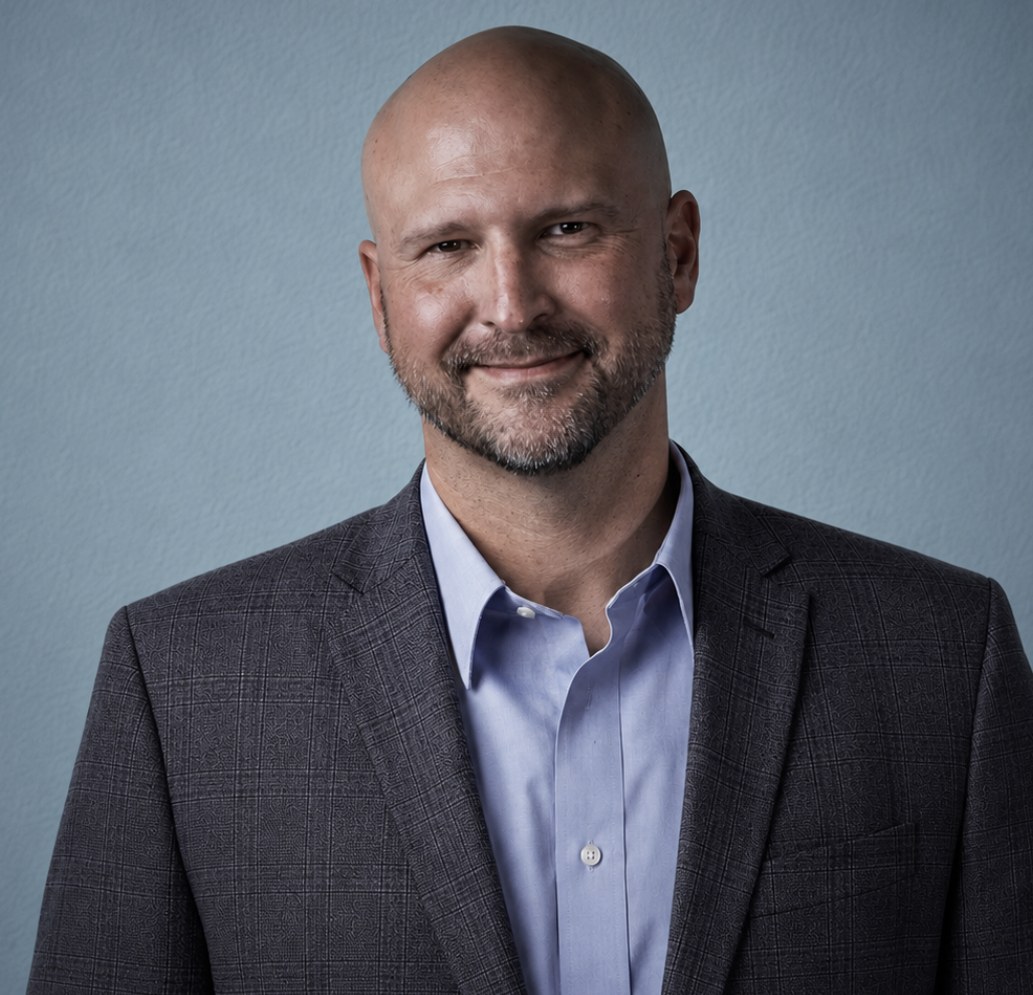
The company is waiting to hear what comes next, and right now you don't know.
The new system went live late, cost more than anyone wants to admit, and still doesn't do the thing it was bought to do. Everyone has a theory. Nobody has a plan.
Your team ships every two weeks and customers shrug. The roadmap is full, and the business is still waiting on the three things that actually matter.
The vendors invoice on time. The tech team works late. The monthly numbers still take three exports, a spreadsheet, and a prayer. Somewhere there's an AI pilot that never left the lab.
Your product earned its place in your home market. Here the pricing is off, the pitch assumes context American buyers don't have, and the security questionnaire ends the deal before the demo. The product isn't the problem. The landing is.
As soon as a technology project involves more than two people, it's no longer a technology project. It's a people project. That's usually where it went wrong, and it's almost always where it gets fixed.
The first piece of work takes two to three weeks and has a fixed scope, so you can judge what I do before you commit to more of it. At the end you're holding four things.
In plain language. Including the parts that aren't technical, which are usually the parts that matter.
A short ranked list with a name next to every item. If it won't fit on one page, we haven't decided yet.
How the technology and the product tie back to where you said the company is going. Work that can't be traced to a goal gets put down, on purpose.
Something you can take across the company. Your board and your staff hear what happened, what the plan is, and what changes.
A big decision is sitting on your desk, or a big bet just went sideways. I work with you and your leadership team to decide what the company does next, and to get everyone actually behind it. Nodding in the meeting doesn't count.
Products drift toward last year's strategy. I help you reconnect what you build to where the company is going: what ships, what waits, and what gets cut so the important things get done.
Fewer tools, fewer vendors, clearer ownership. The technology plan and the company plan become the same plan, and everyone can see why we're doing what we're doing and what it's worth.
The person who does your diagnosis is the person who stays for the fix. There's no handoff to a team you've never met. I run the work myself, with a network behind me.
Writing the plan is the easy part. After that I stay to simplify the technology, tie it to the goals you set, and re-shape teams and goals where the work needs it. I'm also with you on the part nobody budgets for: what you tell the board, how you bring the staff along, and how much change the organization can take at once.
Most of this work starts by looking at decisions someone inside your company made. I've sat in that chair. The diagnosis is done with them, not about them, and the goal is that they come out of it stronger.
There's always more behind the first problem. Once the first one is done, we move to monthly advisory until you're where you need to be.
I'm based in San Francisco, and I work with global companies to ensure their products fit wherever they're deploying them. I know the reputation: Americans show up, invoice, and go home. I stay until it works.







Across operating and advisory roles.
Give me thirty minutes and the messiest version of the story. You'll leave knowing where I'd look first, whether or not we ever work together.
Pangeus Advisory is Alex Wolfe. 25 years in technology and product: building, leading, advising, winning, and losing.
CEOs call me when something has gone wrong and the usual fixes haven't worked. It usually starts as one technical problem. It usually turns out to be about how the technology, the product, and the people running both line up behind where the company is trying to go.
I've run technology inside a multi-billion dollar public company, led teams of 200, owned a $300M P&L, advised private equity firms, started companies, and helped national non-profits recover systems that had gone off the rails. Your situation probably won't rattle me. The way out runs through people as much as systems.
Clarity through radical simplification and unyielding prioritization.
We're always doing something wrong. That's not an insult, it's the job: figure out what's wrong, decide what to do about it, then actually do it. Most organizations get stuck on the third one.
There are no big projects. Only small ones that took longer. The way out of a stalled program is the smallest real step that proves we're not kidding ourselves, and then the next one.
Buying a tool doesn't change an organization. Technology changes hold only when the people and the process change with them.
The right solution is rarely the most complex one.
With a short, fixed piece of diagnostic work, so you can judge me before you commit to more. If it's useful, I stay through the fix, and then on monthly advisory until you're where you need to be.
Notes on products, technology, and how big things actually get done.
Using AI in software product development doesn't change the process. It simply compresses the process and allows us to deliver features and conduct experiments faster than ever before
Read Article →Why fixing your tech stack isn’t about software. It’s about ownership.
Read Article →Most teams don’t need a Version One. They need an answer. This is a field guide for using MVPs and real evidence to stop guessing and start learning faster.
Read Article →There’s no such thing as a big project. Only small ones that took longer. The difference between teams that ship and teams that stall is how they handle the small stuff.
Read Article →Don’t pitch, diagnose. This guide shows how to run problem-first interviews, listen for pain, workarounds, and willingness to pay, and turn conversations into a thin-slice pilot you can ship in weeks.
Read Article →For a few companies, AI will be the next internet-level inflection. For most, it’s a powerful tool that adds 10% efficiency, not a 10x reinvention. Here’s how to tell the difference, what actually changed in the last decade, and how to pilot AI without burning time or trust.
Read Article →Applying product thinking to the unique challenges of a non-profit.
Read Article →Products consist of more than you might think
Read Article →Why "slightly better" is a recipe for failure, and how to build a value proposition that is powerfully and undeniably superior.
Read Article →